Be honest: when was the last time you walked into your bedroom and felt genuinely relaxed?
Not the "I'm exhausted and collapsing into bed" kind of relaxed. The "this space feels like a sanctuary" kind. The kind where your shoulders drop, your breathing slows, and your brain finally stops running through tomorrow's to-do list.
If you can't remember, you're not alone. Somewhere between work-from-home life, online shopping deliveries, and the eternal laundry cycle, our bedrooms have transformed from peaceful retreats into glorified storage units with mattresses.
But here's the thing: your bedroom might be one transformation away from becoming the restful space you actually deserve. Let's talk about how to get there.
The Bedroom Reality Check
Let's paint a picture that might feel uncomfortably familiar.
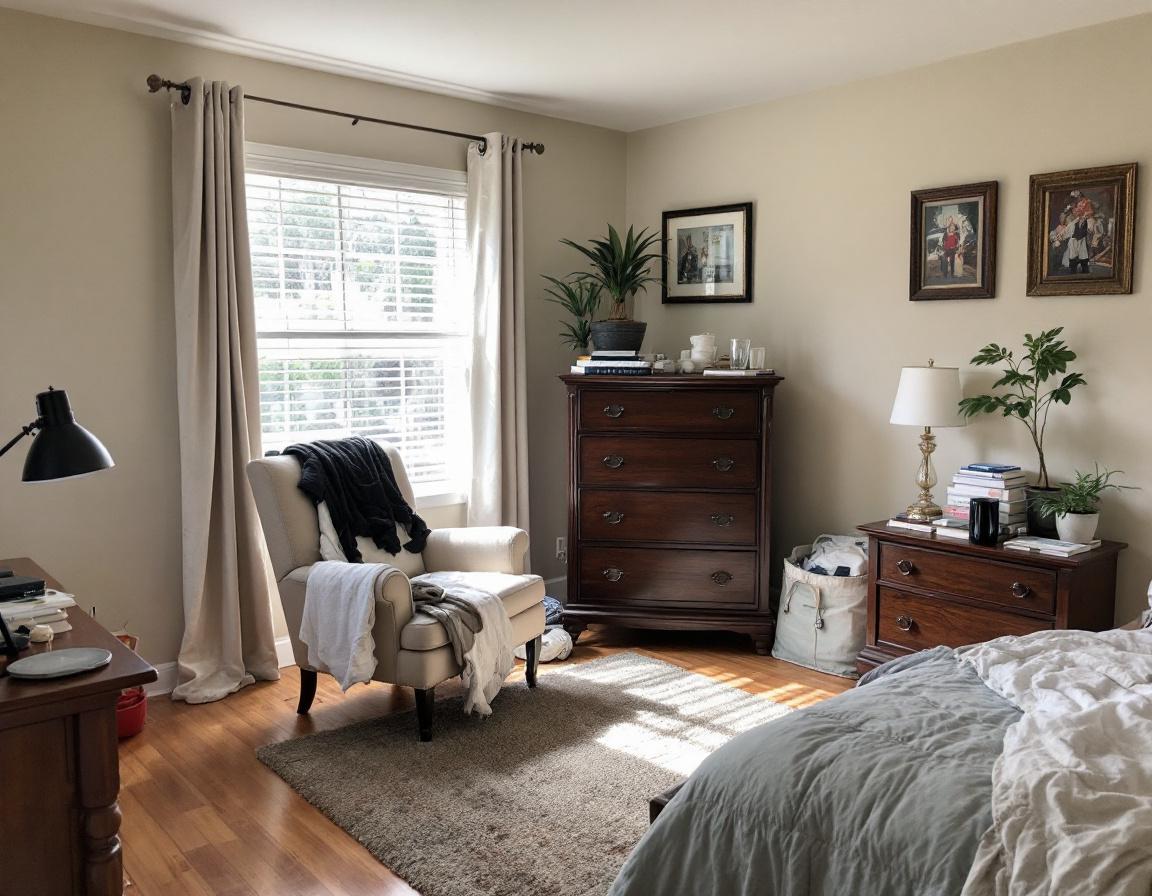
The chair in the corner—you know the one—hasn't seen its actual upholstery in months. It's buried under a geological formation of "clothes that are clean but not clean enough to go back in the closet." That Target throw pillow you bought to make the bed look Pinterest-worthy? It's somewhere under the pile of Amazon packages you haven't opened yet.
Your nightstand has achieved sentience. It's now a precarious tower of half-read books, phone chargers, lip balm you can never find when you need it, and a glass of water from three days ago that you're afraid to touch.
And the closet? The closet is a problem for Future You.
Sound familiar?
Here's what's actually happening: your bedroom has become the dumping ground for everything that doesn't have a designated home elsewhere. And research suggests this chaos is doing more than just looking messy—it's actively sabotaging your sleep.
Why Bedroom Clutter Hits Different
A Princeton University study found that visual clutter competes for your attention and reduces your ability to focus. That's problematic enough in a home office, but in your bedroom? It's sleep sabotage.
Your brain is remarkably good at keeping tabs on unfinished business. That pile of laundry? Your subconscious registers it as an incomplete task. The stack of books you've been meaning to read? Another mental note. The exercise equipment doubling as a clothes rack? Your brain is literally keeping a running list of everything you're "supposed" to be doing, even while you're trying to fall asleep.
The National Sleep Foundation recommends keeping your bedroom reserved for sleep and intimacy—not work, not storage, not the halfway house for items in transition. When your brain associates the bedroom with rest (and only rest), falling asleep becomes dramatically easier.
But knowing your bedroom should be a sanctuary and making it one are two very different things.
The Transformation Mindset Shift
Here's where most bedroom organization advice falls flat: it tells you to "declutter" without helping you visualize what you're working toward.
Marie Kondo asks if things spark joy. Minimalist gurus tell you to own fewer items. But when you're standing in your chaotic bedroom at 9 PM, exhausted from the day, none of that helps you figure out what your space could actually look like when it's done.
That's the power of visualization. When you can see the destination, the journey becomes infinitely more motivating.
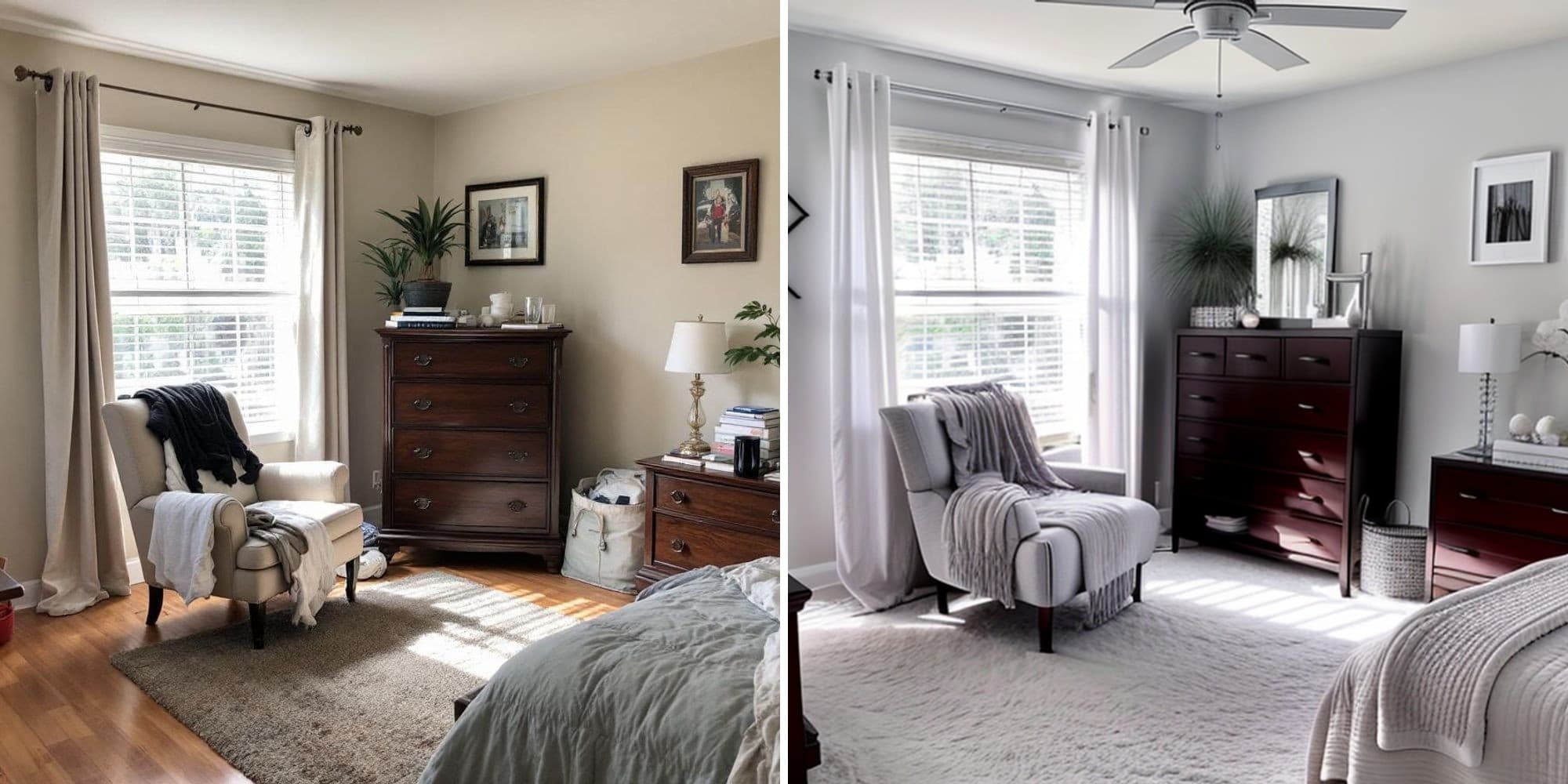
Imagine seeing your actual bedroom—with your furniture, your layout, your windows—transformed into a serene retreat. Not a magazine photo of someone else's perfect room, but your room, looking like you always wished it could.
That's what AI-powered room visualization offers. You upload a photo of your current space (yes, the messy one), and you see it transformed. Same bones, completely different vibe.
Suddenly, that overwhelming "where do I even start?" feeling transforms into "oh, that's what I'm going for."
Bedroom Styles That Actually Promote Rest
Not every design aesthetic is created equal when it comes to sleep. Here are the approaches that research and design experts agree promote the most restful environment:
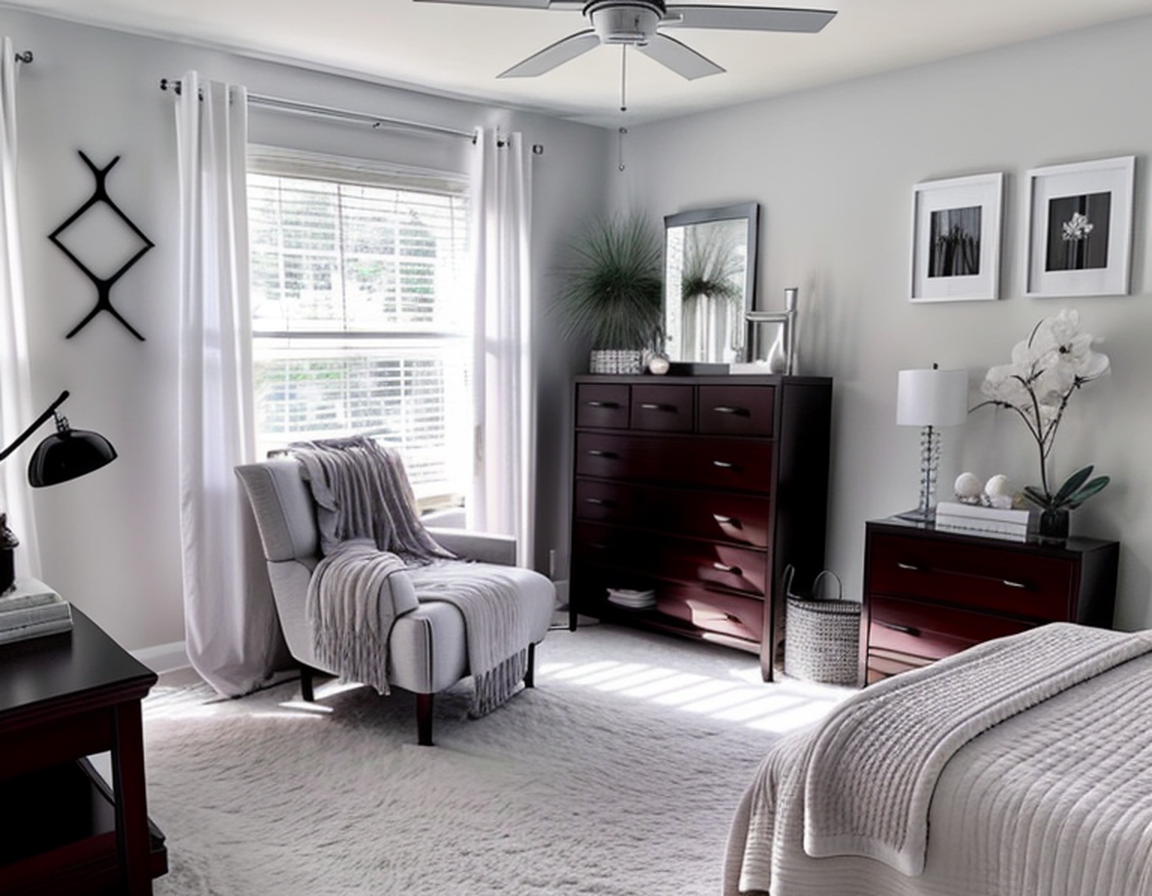
The Minimalist Sanctuary
The vibe: Calm, uncluttered, breathing room for your brain
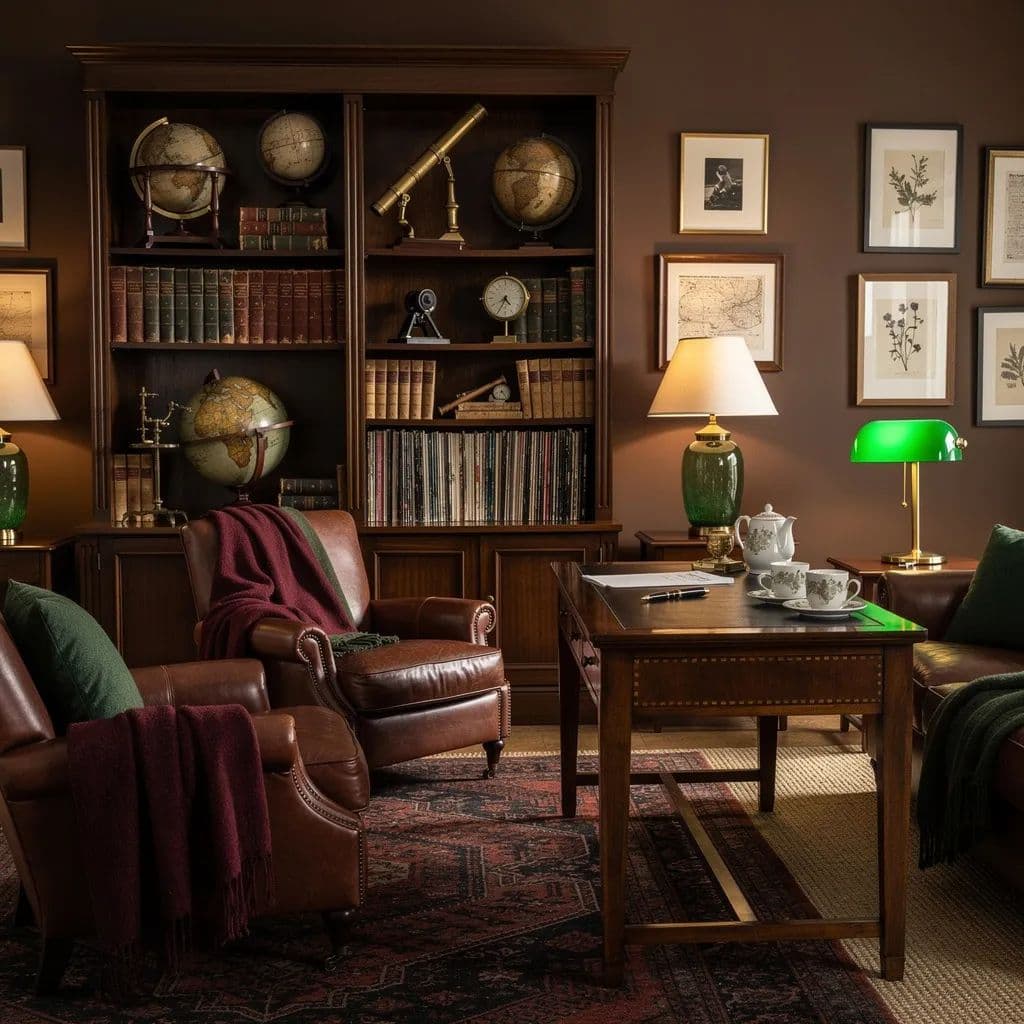
Strip away everything that doesn't serve the core purpose of the room: rest. Minimalist bedrooms feature clean lines, neutral palettes (think soft whites, warm grays, natural tones), and intentionally empty space. Every item earns its place.
This style works best for people who feel visually overstimulated and need their bedroom to feel like a mental reset button.
The Cozy Cocoon
The vibe: Warm, enveloping, hygge-inspired comfort
Layer soft textures—think chunky knit throws, linen bedding, plush rugs—in a cohesive warm palette. The goal is creating a space that physically invites you to sink in and stay awhile.
Perfect for people who run cold (physically or emotionally) and want their bedroom to feel like a warm hug.
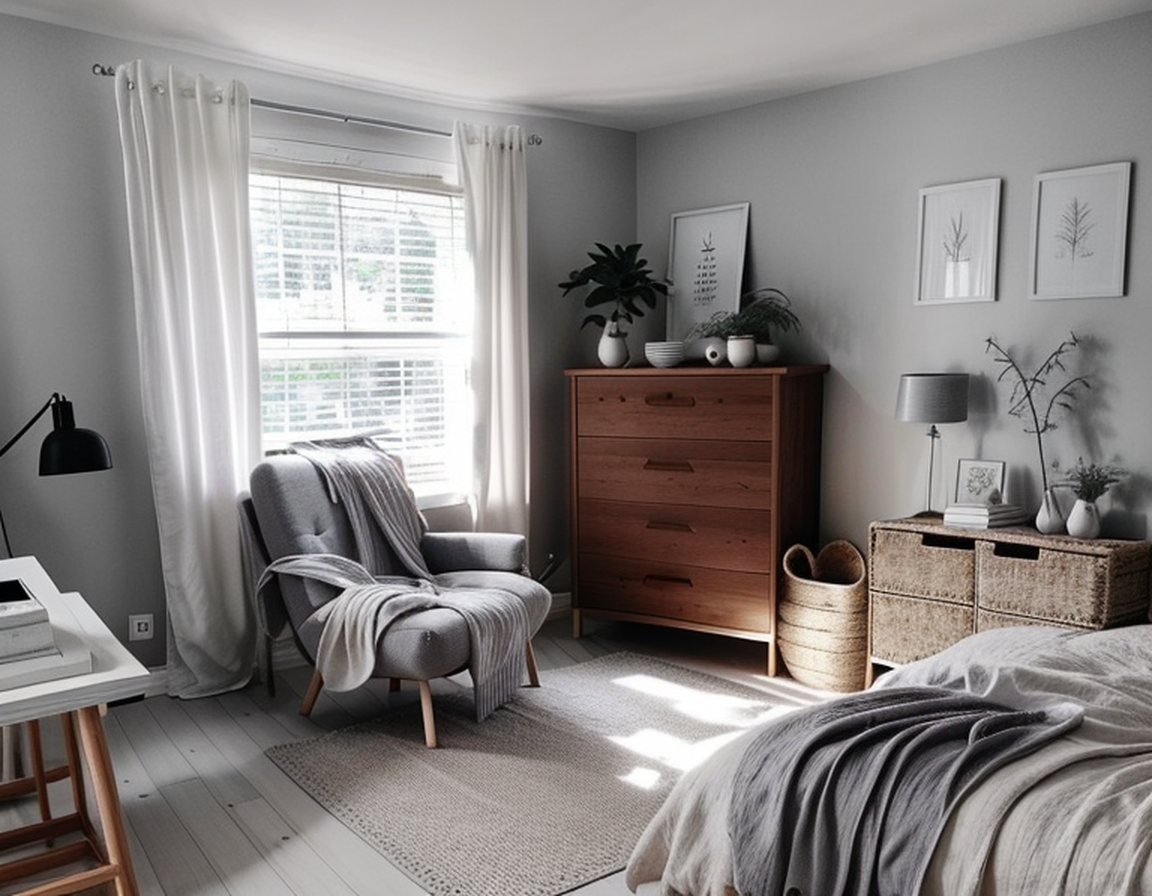
The Scandinavian Balance
The vibe: Light, airy, effortlessly functional
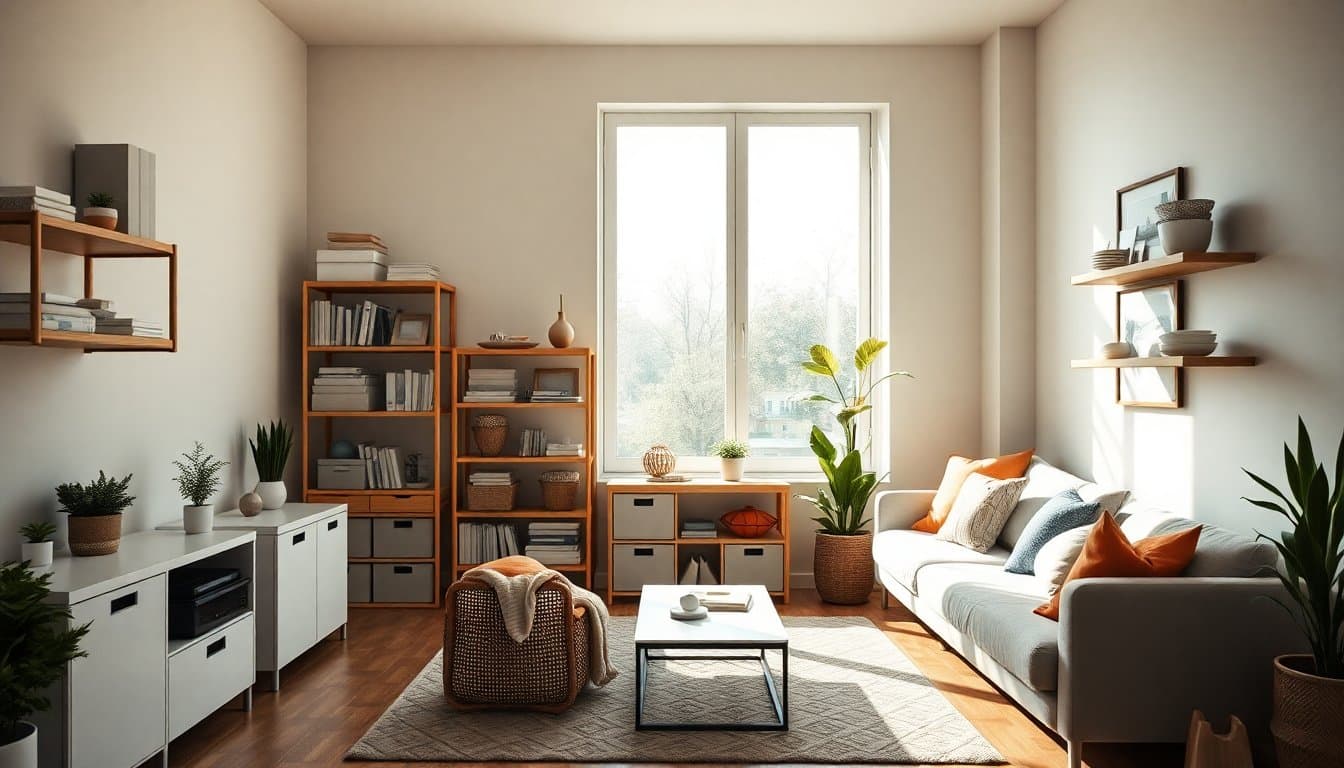
White walls and blonde wood create brightness, while thoughtful textiles add warmth without weight. Scandinavian design masters the art of making minimalism feel cozy rather than cold.
Ideal for smaller bedrooms or spaces with limited natural light—this style makes rooms feel larger and more breathable.
The Japandi Retreat
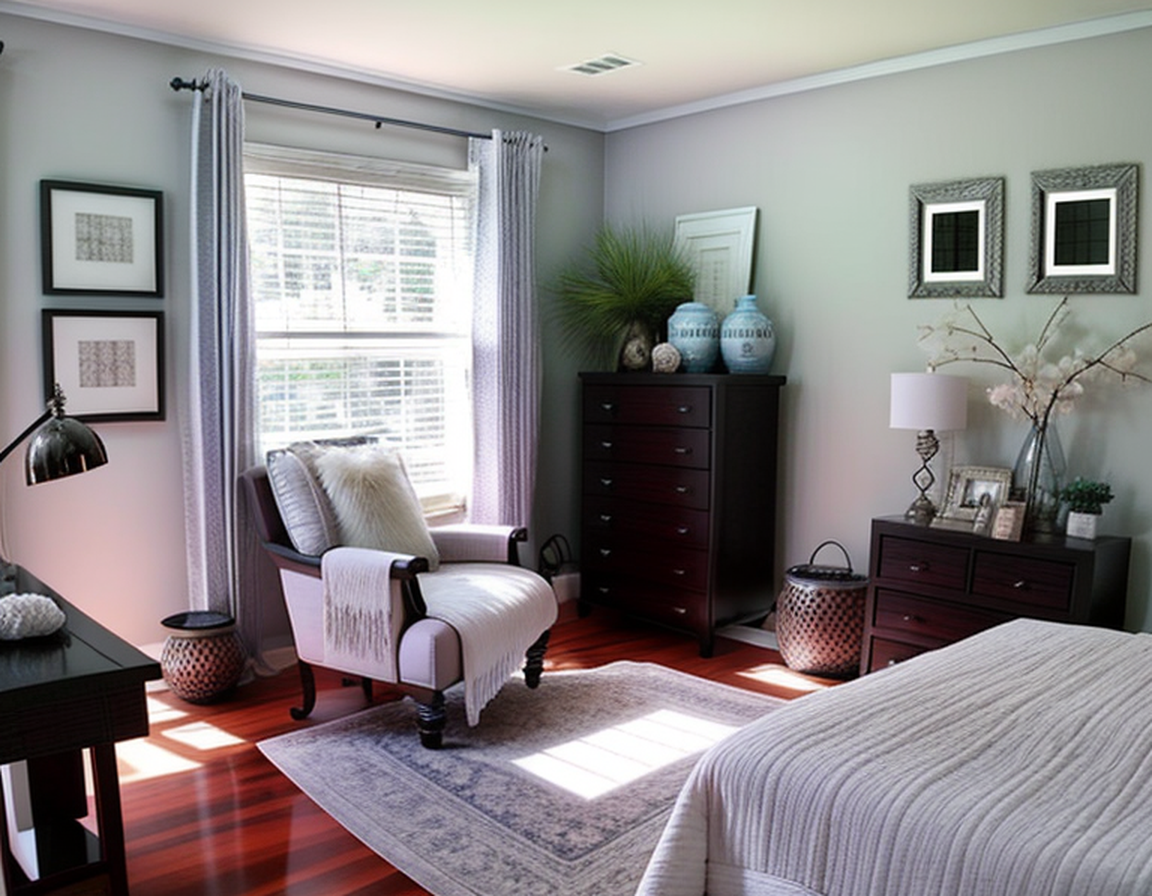
The vibe: Intentional, natural, peaceful simplicity
Blending Japanese minimalism with Scandinavian warmth, Japandi emphasizes natural materials, low furniture profiles, and a connection to nature. Think: clean lines softened by organic textures.
Best for people drawn to both Eastern and Western design philosophy—and anyone who appreciates the art of "less, but better."
Practical Steps to Reclaim Your Bedroom
Visualization gives you the destination. Here's the roadmap:
1. The Ruthless Purge (with a Twist)
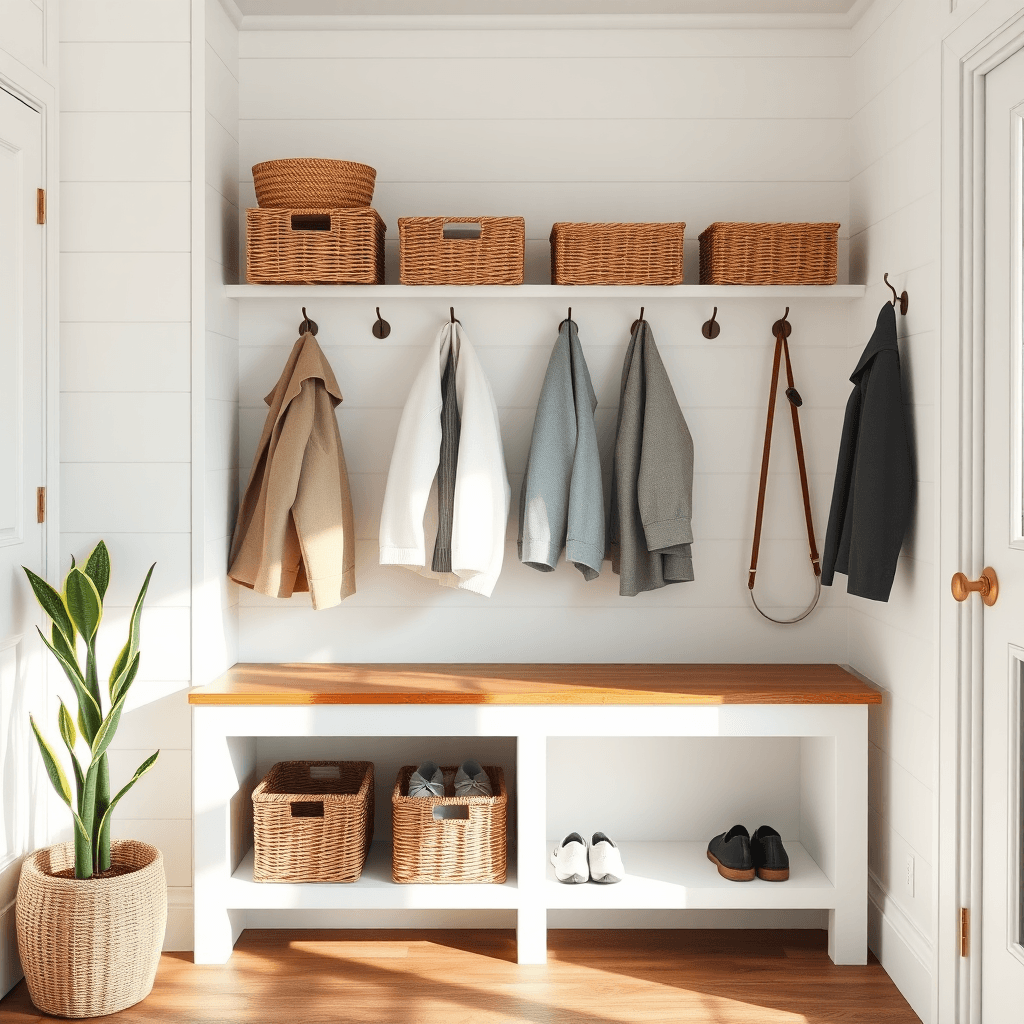
Remove everything that doesn't belong in a bedroom. That means the work laptop, the exercise bike, the pile of mail, and yes, the laundry chair. Temporarily relocate these items so you can see your bedroom's actual potential.
2. The Nightstand Edit
Your nightstand should hold: a lamp, your current book, your phone charger, and maybe one small personal item. That's it. Everything else needs a new home.
3. The Closet Confrontation
You don't have to achieve closet perfection today. But commit to closing the closet door and keeping it closed. Out of sight genuinely helps your brain relax. Then tackle the closet as a separate project (we have a whole post on that).
4. The Bed as Focal Point
Make your bed every morning. Yes, really. A made bed transforms the entire room's energy and creates a psychological "fresh start" each day. Invest in bedding you actually love—you spend a third of your life in that bed.
5. The Lighting Audit
Swap harsh overhead lighting for warm, layered options. A bedside lamp with a warm bulb, perhaps some string lights or a salt lamp, can transform the room's mood. Bonus: dim lighting signals your brain that it's time to wind down.
See Your Bedroom's Potential Tonight
Here's the beautiful thing about AI visualization: you don't have to guess whether a minimalist transformation would work for your space, or if Japandi would feel too sparse. You can see it.
Upload a photo of your bedroom—yes, the current reality, not the cleaned-up version—and watch as Neat Pilot shows you what's possible. Try different styles. Find the one that makes you think, "Yes. That's the room I want to sleep in."
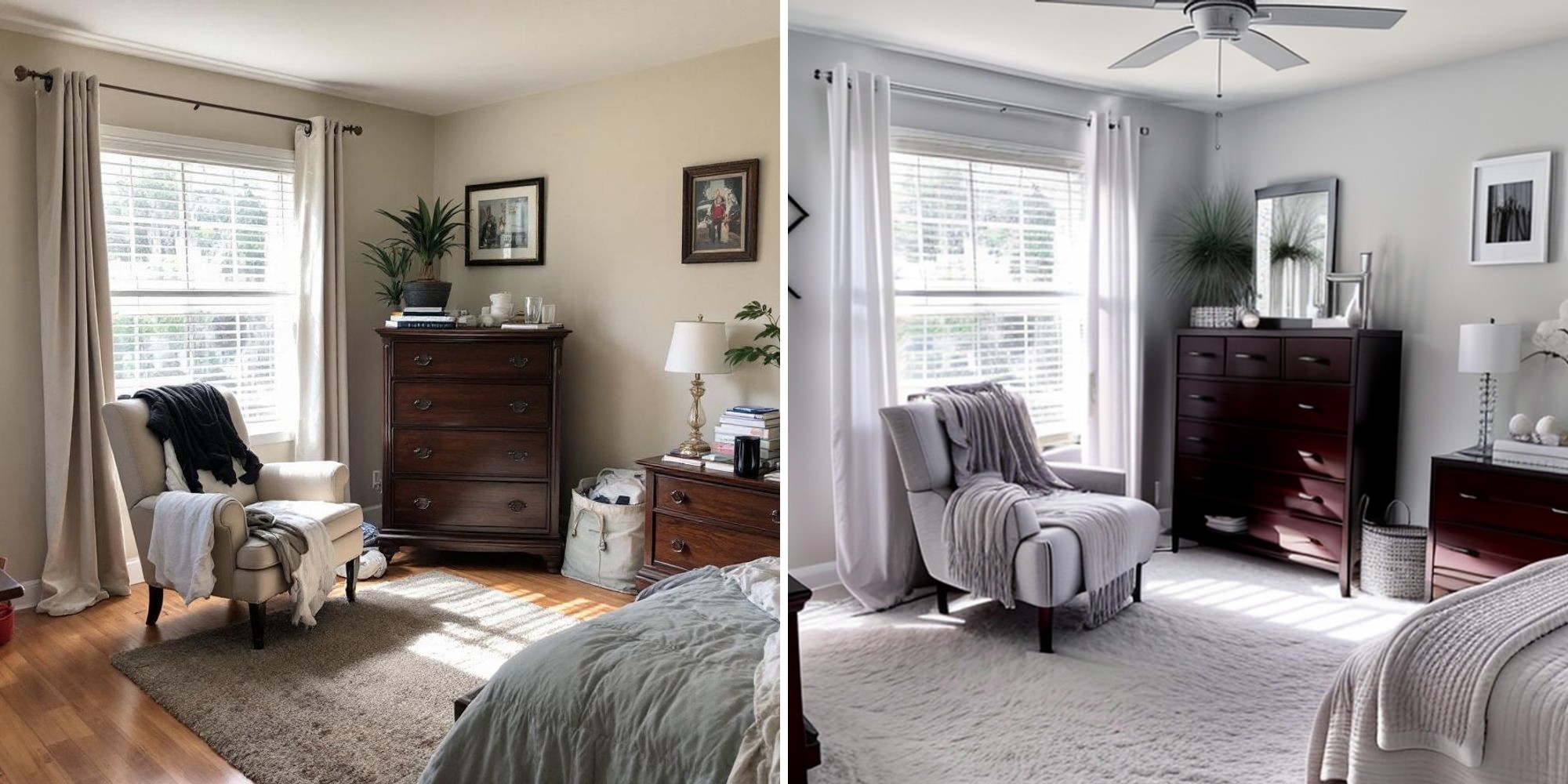
Then you have your destination. The motivation practically builds itself.
Your bedroom has spent enough time being a storage unit. It's time to transform it into the sanctuary you deserve—one that actually helps you sleep, recharge, and wake up feeling ready for the day.
The best part? You can see the "after" before you start. That's not magic. That's AI-powered visualization.
Ready to transform your bedroom from chaos to calm? Try Neat Pilot free↗ and see your sleep sanctuary come to life. Upload a photo, pick a style, and discover what your bedroom has been waiting to become.
Your future well-rested self will thank you.